
Backsplash and Tile Installation: Costs, Materials and What a Good Tile Job Looks Like
· By Glenn Ramos
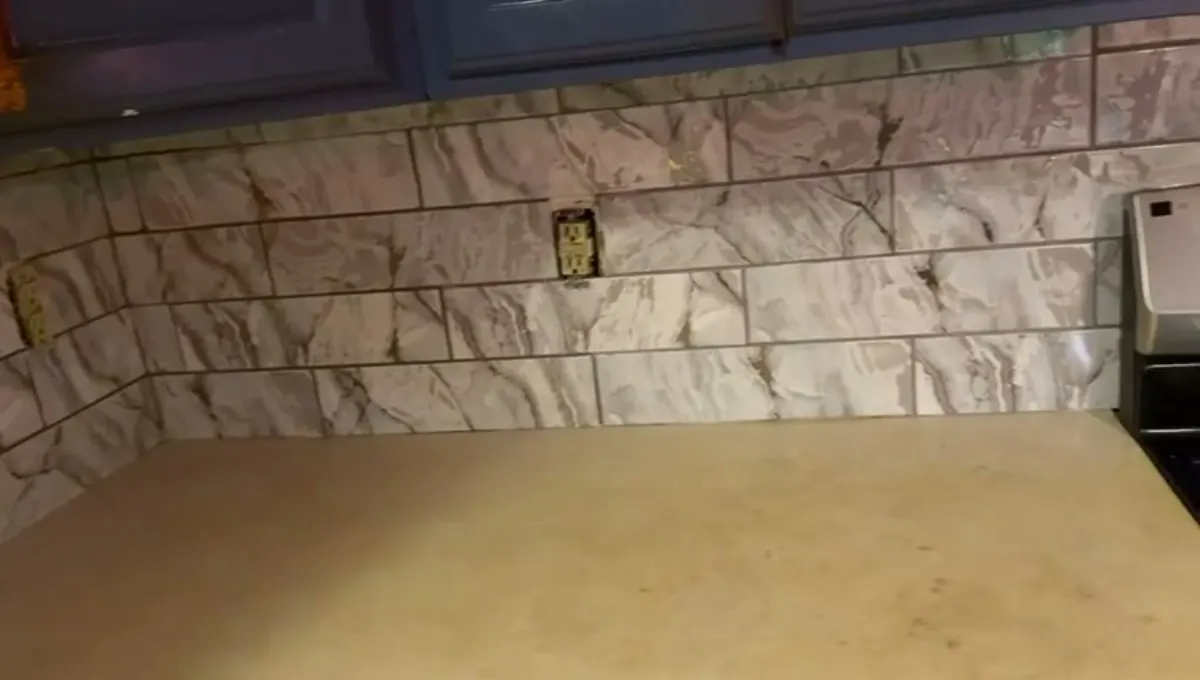
A new backsplash is one of the fastest ways to change how a kitchen looks, and a tiled bathroom floor or tub surround can make an old bath feel new. Tile also has less room for error than almost any other finish. Every crooked line and every lippage between tiles is visible, and a weak base shows up as cracked grout within months.
This guide covers what tile work typically costs, how to choose material, and what to look for in a tile installer.
Typical cost ranges
Tile labor is usually priced per square foot, with minimums for small jobs. A straightforward kitchen backsplash with standard subway or ceramic tile is often one of the more affordable tile projects because the area is small, but the number of outlets, window returns and corners adds cutting time.
Floors and tub surrounds cost more per square foot because they need more prep: removing old material, installing cement board or a waterproof membrane, and in showers, careful waterproofing at every seam. Large-format tile, natural stone, mosaics and patterns like herringbone or hexagon all add labor.
Material ranges widely, from a few dollars per square foot for basic ceramic to much more for stone and designer tile. Remember to budget for thinset, grout, trim pieces and edge profiles.
Ceramic, porcelain or stone?
Ceramic is easy to cut and a great choice for backsplashes and walls. Porcelain is denser and absorbs less water, which makes it the usual pick for floors and wet areas. Porcelain that looks like marble gives you the look of stone without the sealing and staining worries.
Natural stone is beautiful but needs sealing and more careful cleaning. It is a good fit for people who like the variation and do not mind the upkeep.
The prep you do not see
On floors, tile needs a stiff base. Cement board screwed down over a solid subfloor, or an uncoupling membrane, keeps the floor from flexing and cracking the tile. You can see this step in our own job photos: the kitchen floor went from bare cement board to finished porcelain.
On walls, the surface has to be flat and solid. Old backsplashes sometimes come off with drywall attached, which means patching before tile. In tub and shower areas, the right backer and waterproofing matter more than the tile itself.
Layout makes or breaks the look
A careful installer plans the layout before setting the first tile, so cut pieces at the edges are balanced and no thin slivers end up at a visible corner. On backsplashes, the pattern is usually centered on the range or the sink.
Grout color matters too. Matching grout gives a calm, seamless look. Contrasting grout makes the pattern pop and shows the quality of the layout, good or bad.
What to ask a tile installer
Ask what goes under the tile, how they handle outlets and edges, whether trim and edge profiles are included, and how long you need to wait before using a shower or walking on a floor.
PG Solutions installs backsplashes, tile floors and tub surrounds around Springfield, Worcester and Milford. You can see real photos of our tile work in the gallery, and we give free estimates.
Frequently asked questions
- How long does a backsplash take to install?
- A typical kitchen backsplash is often set in a day and grouted the next, depending on size and tile type.
- Can tile go over existing tile?
- Sometimes on walls, if the old tile is solid and flat, but it is usually better to remove it, especially on floors.
- Do I need to seal porcelain tile?
- Glazed porcelain usually does not need sealing, but cement grout often benefits from a sealer.
Related services
Serving
Found this helpful? Make us a preferred source on Google.
Ready for an exact price?
Get a free, no-pressure in-home estimate. Real numbers for your home, not a phone guess.